Jaw joint (temporomandibular) problems are common, and according to the NHS they are usually not serious and often get better on their own. If the pain, clicking or difficulty opening your mouth does not ease, Pasarét offers a dedicated jaw assessment and jaw manual therapy.
How common are jaw joint problems?
According to the dental research institute of the US NIH (NIDCR), they affect roughly 5 percent of adults and are about twice as common in women as in men. The problem can involve the jaw joint, the chewing muscles or both, and how strong the symptoms are can change from week to week.
A guide for Hungarian primary-care dentists, published by the National Directorate General for Hospitals (OKFŐ) and prepared with Semmelweis University’s Faculty of Dentistry, states that about 60 to 70 percent of the population have at least one sign pointing to a jaw joint disorder, but only about one in four of them notices it as a problem and sees a doctor or dentist. The two figures measure different things: signs that can be found on examination, and the disorder itself.
What symptoms do they cause?
The NHS and the NIDCR describe these as common:
- pain around the jaw, in front of the ear or at the temple;
- clicking or popping when you open your mouth or chew;
- difficulty opening your mouth fully, or a feeling of the jaw catching;
- headaches starting from the temple;
- symptoms that get worse with chewing or at stressful times.
Worth knowing: the NIDCR says painless clicking is common, normal in itself and needs no treatment. If your jaw clicks but does not hurt and moves well, you do not necessarily need to do anything about it.
What might be behind it?
The NHS mentions several possible factors: grinding or clenching the teeth, wear in the joint, a blow to the jaw, stress and an uneven bite. Several factors may play a part together. An examination can help work out which apply to you, and how much.
The NIDCR adds an important detail: research does not support the idea that a bad bite or earlier orthodontic treatment causes jaw joint problems. So the institute does not recommend irreversible procedures that permanently change the bite, such as grinding down the teeth.
What can you do while it is mild?
The NHS gives some self-care tips: soft food, a cold or warm compress on the sore area (the NHS page gives the timing), gently massaging the jaw muscles, and deliberately relaxing. Avoid chewing gum, biting with your front teeth, yawning widely and clenching your teeth. The NHS also suggests keeping your teeth apart when you are not eating.
When should you see a doctor or dentist?
With jaw problems, these are medical signs
The NHS says to get urgent medical help if:
- the pain stops you eating or drinking;
- your jaw is locked and you cannot open or close your mouth;
- you have frequent, severe headaches;
- you have problems with your vision.
If your jaw hurts after a blow or an accident, or there is swelling or a fever too, a doctor or dentist is also the right first step. A dentist can rule out a dental cause, such as an infected tooth. In an emergency, call 112.
For teeth grinding, the NHS also suggests seeing a dentist, who can make a bite guard if needed.
How does treatment work at Pasarét?
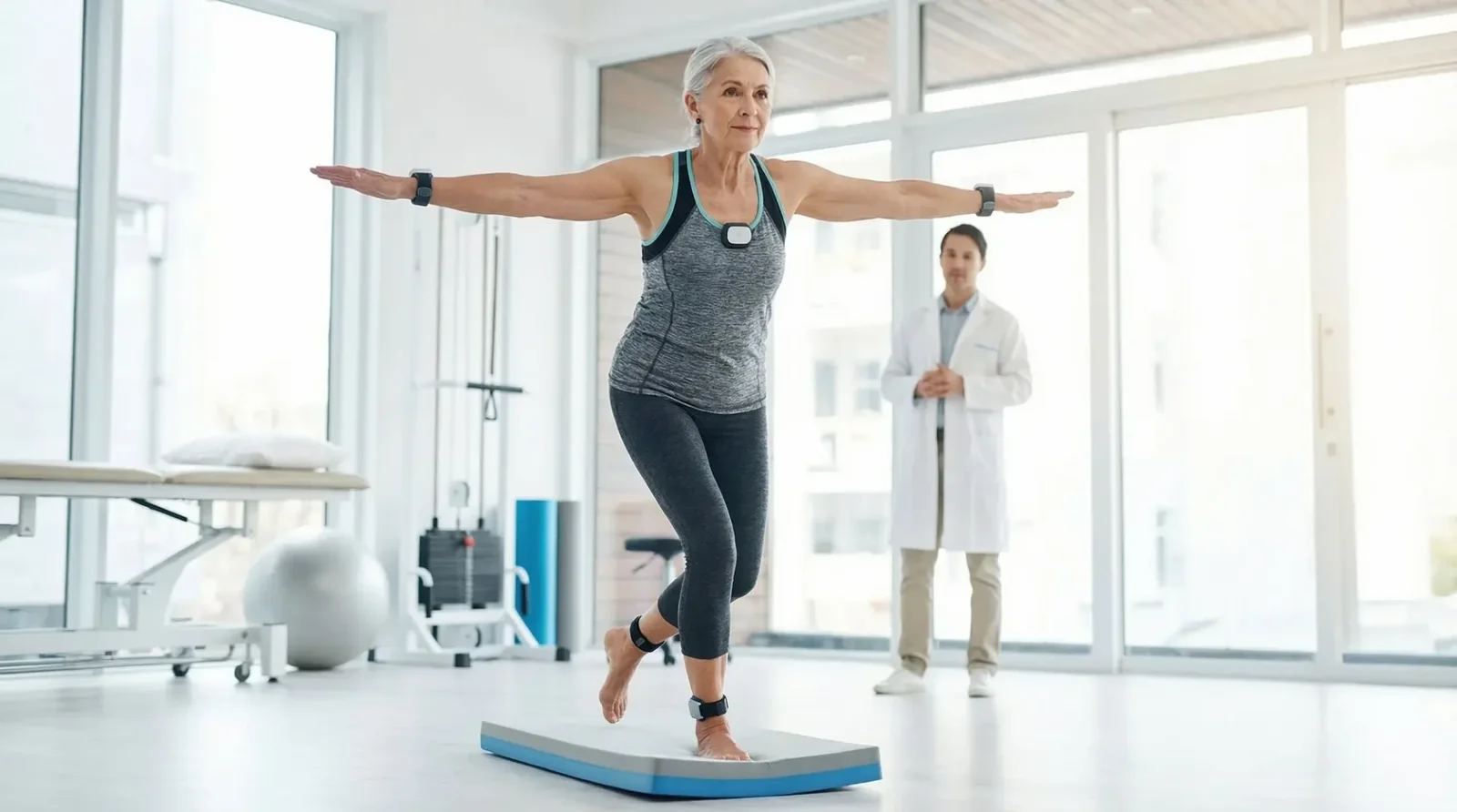
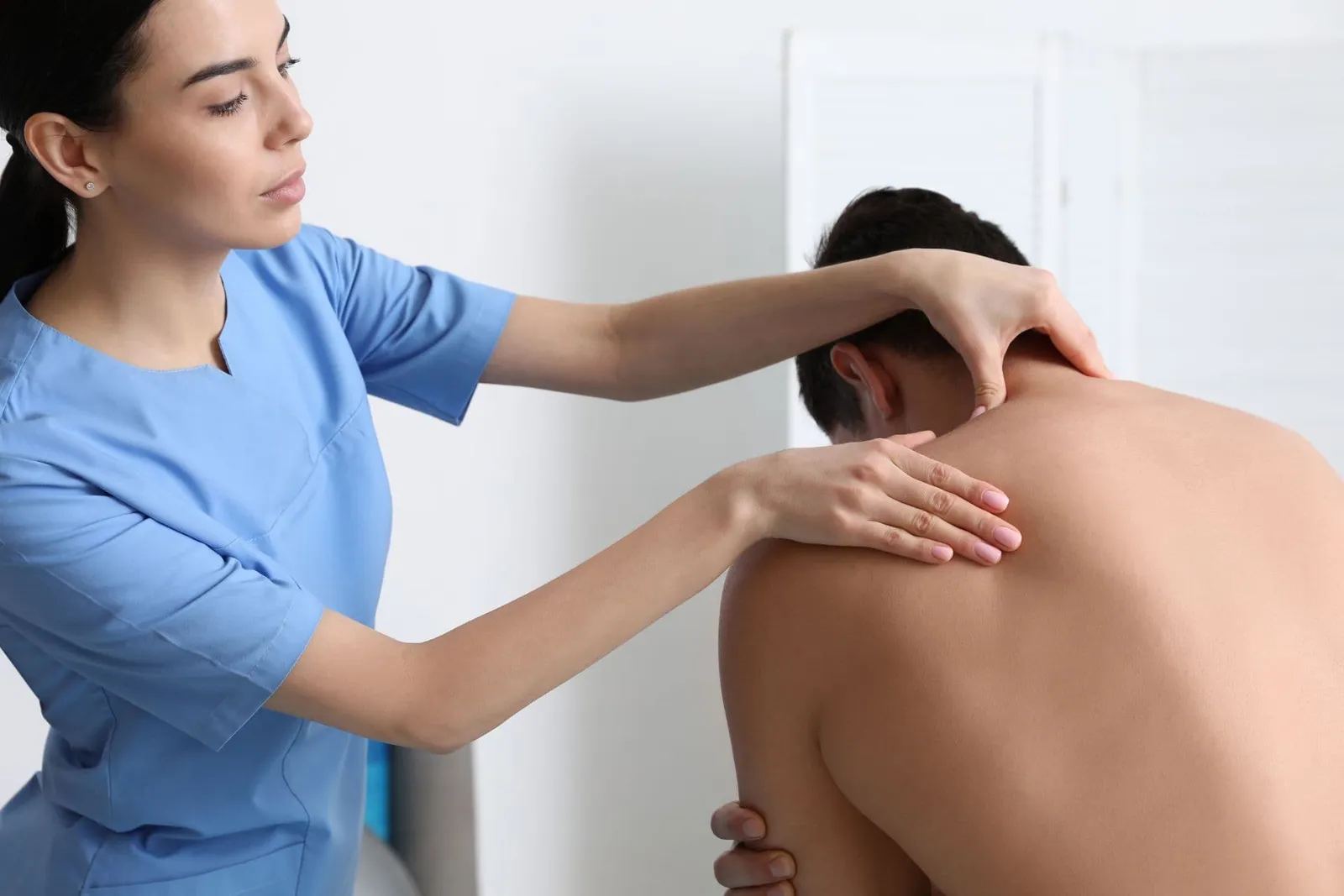
According to the NHS, a physiotherapist can help with jaw exercises and massage. The NIDCR likewise says that physical therapy, including manual therapy, can improve function and reduce pain, and advises starting with gentle, reversible treatments.
At Pasarét the process has two steps:
- Jaw joint assessment (50 min, 24,990 Ft): the therapist asks about your history, looks at how far your jaw opens and moves sideways and at the chewing muscles, and also at how your neck and shoulders work, as they are often involved too. At the end you agree a plan together.
- Jaw manual therapy (50 min, 24,990 Ft): gentle treatment of the joint and the surrounding muscles, always followed by consciously practising your own movement. Here too, manual therapy “opens a window”: the aim is for you to keep the improved movement yourself.
If you have a dental report or a bite guard, bring it with you. Both are done by Franyó Nóra and Sztányi Borka. These are indicative prices from October 2026; the full list is on the prices page.
What else is linked to the jaw?
Jaw joint problems often come with neck tension; the neck pain article covers this. Physical therapy add-ons are described here, and the condition on the jaw joint pain page. For a jaw assessment, too, we see you at Házmán utca 4., 1026 Budapest; you can read in advance what happens at the first visit.