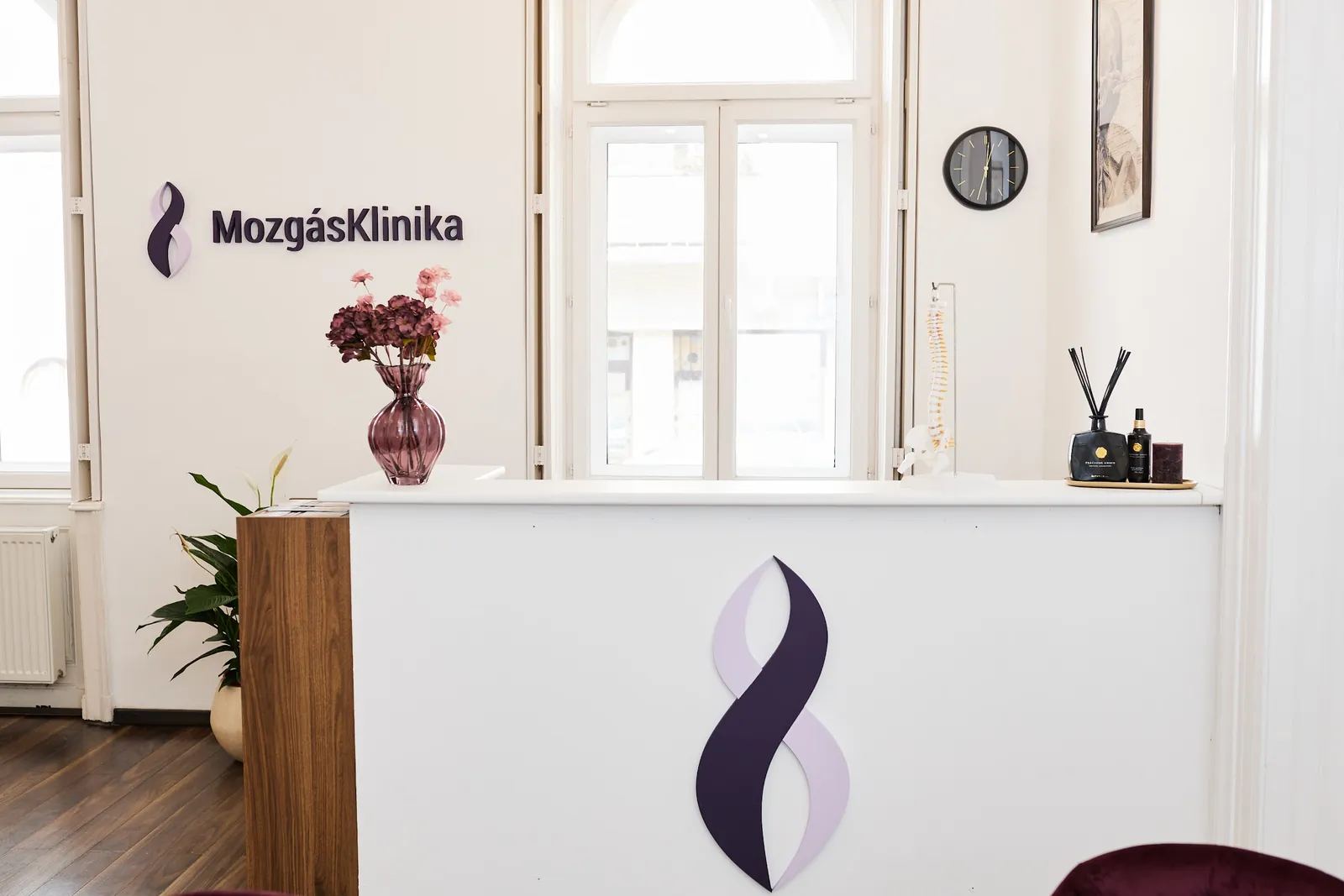
It is worth seeing a physiotherapist when musculoskeletal pain has not eased within a few weeks, keeps coming back, gets in the way of work, sport or sleep, or you have started working around it. You do not have to wait until it is unbearable: MozgásKlinika’s two District II clinics, Retek utca and Pasarét, also see people with milder problems, and treatment always starts with an examination. With warning signs, though, see a doctor first.
How common are musculoskeletal problems?
Very. According to the World Health Organization’s (WHO) 2022 fact sheet, about 1.71 billion people worldwide live with a musculoskeletal condition, and low back pain is one of the most common: in 160 countries it is the leading cause of disability. About two thirds of adults who need rehabilitation need it for a musculoskeletal condition.
Most of these problems are not dangerous, but they can drag on and slowly narrow your movement. Someone who is afraid to bend, avoids stairs or has stopped running gradually rewrites their everyday habits around the pain. That is where physiotherapy can help most.
According to Hungary’s professional guideline on low back pain (Health Professional College, 2024), about 90 percent of cases are non-specific, and most of these need neither emergency care nor immediate imaging; in the rarer cases with warning signs, however, a quick diagnosis matters.
Is it only worth coming with severe pain?
No. The NHS describes physiotherapy as helping to restore movement and function after injury, illness or disability, and says it can help in many situations, from back pain and sports injuries to recovery after surgery. The WHO also stresses that rehabilitation is not only for people with long-term disability: it is for anyone whose functioning is limited by an acute or chronic condition, injury or complaint.
In practice, how strong the pain is makes a poor yardstick. Moderate back pain that has kept returning for months says more than strong muscle soreness that is gone in two days.
Which signs tell you it is time?
It is worth booking if at least one of these is true:
- the problem has not improved after a few weeks of rest at home and careful movement (the NHS names this limit for both back and neck pain);
- the same pain keeps coming back, for example after long sitting, gardening or a longer hike;
- you are already avoiding a movement: you do not lift, you do not turn your head, you skip training;
- you are stiff in the morning, or slow to get going after sitting for a long time;
- since an earlier injury or operation you do not trust your knee, shoulder or back;
- you cannot get through the day without painkillers.
Avoiding a movement is especially telling. When your body reorganises how it moves, load shifts elsewhere, and problems can start there too.
When should you see a doctor instead?
With these signs, see a doctor first
According to the NHS back pain page, you need urgent medical care (call 112) if:
- both legs are weak or numb, or you have lost feeling around the groin, genitals or anus;
- you cannot hold or cannot pass urine or stools;
- you have chest pain along with back pain;
- the pain started after a serious fall, accident or collision.
You also need a medical check-up if you have a fever or chills with the pain, are losing weight without explanation, or the pain is worst at night or at rest. For neck pain, the NHS advises seeing a GP if it has not improved after a few weeks, painkillers do not help, or you have numbness, tingling or coldness in your arm.
The US MedlinePlus advises contacting a health care provider if back pain is severe or does not improve after three days, or if it follows an injury.
Which problems can the two clinics help with?
Both clinics treat musculoskeletal problems with physiotherapy, manual therapy and physical therapy combined with manual therapy. The fields the physiotherapists name include:
- conservative treatment of low back pain and herniated discs (at both clinics);
- neck pain, posture correction and spine stabilisation exercise;
- shoulder, hip and knee pain, and flat feet;
- rehabilitation after surgery and sports injuries;
- jaw-joint pain: at Pasarét only, with Franyó Nóra and Sztányi Borka.
The NHS likewise lists back and neck pain, sports injuries and recovery after surgery among the typical uses of physiotherapy. The full list is on the conditions page, and the physiotherapists’ profiles on the team page. Three common problems have their own articles: shoulder pain, knee pain and hip pain.
Do you need a referral, and what should you bring?
Neither clinic needs a referral. If you have already seen a doctor, bring your reports: discharge summary, X-ray, CT or MRI report, specialist opinion. The physiotherapist looks at them at the start of the session.
Wear comfortable clothes that leave the area to be examined free to move.
Why does every treatment start with an examination?
The same symptom can come from different problems, so an exercise routine found online can easily miss the point. At both clinics the first meeting is a 60-minute assessment, even if you have been treated elsewhere or arrive with a diagnosis. The physiotherapist looks at your range of movement, muscle strength, muscle control and movement patterns, and draws conclusions from several findings together. If they think something behind the complaint needs medical investigation, they tell you so and do not start treatment.
The assessment does not commit you to anything. It may turn out that changing a few habits is enough; or a targeted treatment plan may start, and if you agree, treatment begins in the same session. The first consultation costs HUF 24,990 (October 2026). The first-visit article explains exactly what happens, and the MozgásPiramis® article how treatment is built up.
What can you do while the problem is mild?
With a mild, recent problem, it is often enough to keep moving carefully and return to your usual activities gradually. The NHS says back pain often improves on its own within a few weeks, long bed rest tends to slow recovery, and walking, swimming, yoga or pilates may help. With neck pain, too, it is better to keep the neck moving than to wear a collar.
Both clinics’ neighbourhoods offer plenty of room for this: this article covers the parks and hills around Retek utca, and this one the Pasarét area.
Frequently asked questions
How long should I wait before booking?
There is no single number. If the problem improves day by day, keep an eye on it and stay active; if you are in the same place after a few weeks, or it comes back, do not put it off.
Can I come for prevention, without pain?
Yes. Preventive spine exercise and posture correction are part of what the clinics do, and an assessment is useful even if you are about to start a new sport.
How many sessions will I need?
No one can responsibly say in advance. After the examination you learn about the course and expected length of therapy, but the final number depends on how you respond to treatment.
Which clinic should I choose?
The one closer to you: Retek utca 26 is by Széll Kálmán tér, Házmán utca 4 by Budagyöngye. Prices and method are the same; for jaw-joint problems, choose Pasarét. Directions: Retek utca and Pasarét; the differences are summed up in this article.