Physical therapy is device-based treatment: at MozgásKlinika’s District II clinics, TENS, ultrasound and kinesiology tape, and at Pasarét cupping as well. It does not heal on its own, so both clinics offer it only combined with manual therapy, as part of a 50-minute session for HUF 24,990 (October 2026).
What is physical therapy, and how is it different from physiotherapy?
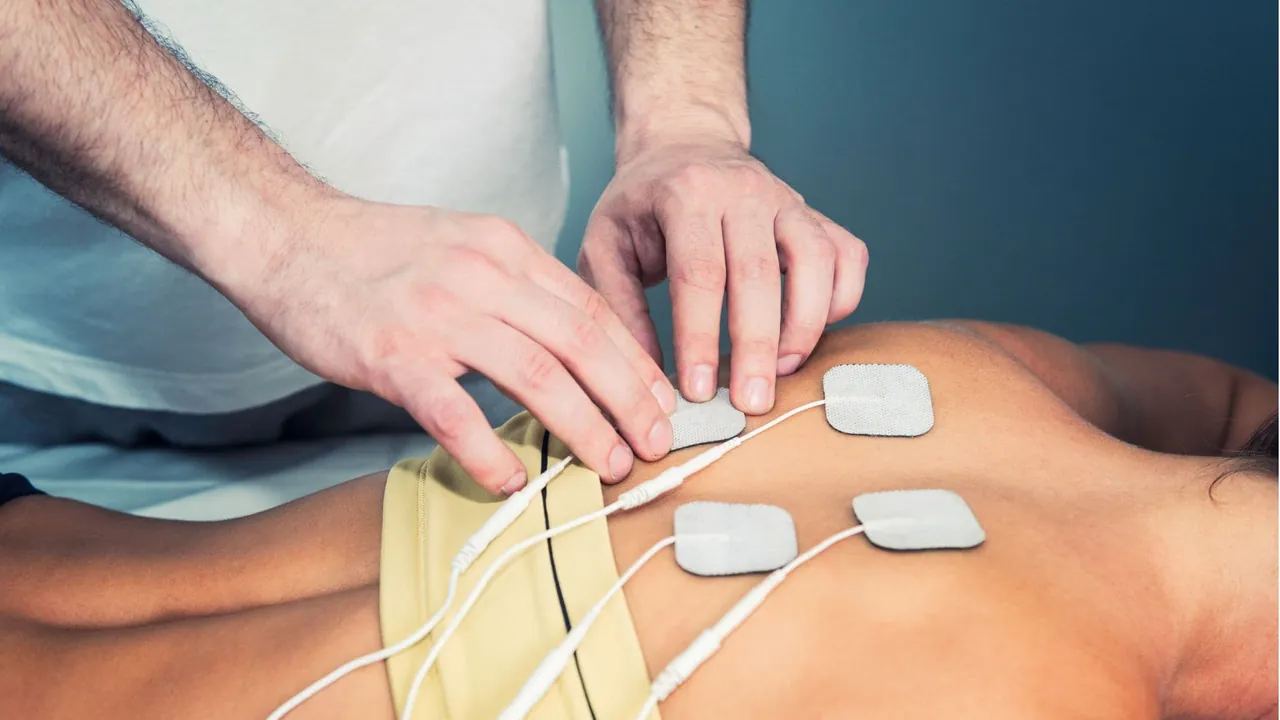
Physical therapy is treatment with devices or aids: electrical stimulation, ultrasound, tape, vacuum cups. You mostly lie or sit while it is applied. Physiotherapy is active: there, you move. The difference matters, because with most musculoskeletal complaints the aim is to rebuild strength, range of movement and load capacity, and no device does that for you.
The NHS lists TENS and ultrasound among the techniques physiotherapy can include, but puts the emphasis on movement, exercise and hands-on treatment.
Hungary’s Health Care Act (Act CLIV of 1997, section 100) names physiotherapy, among others, as an integral part of rehabilitation medicine. In MozgásKlinika’s practice, device-based treatment is an add-on to an active treatment plan, not a stand-alone solution.
Which method is available at which clinic?
| Method | What happens | Retek utca | Pasarét | What we know |
|---|---|---|---|---|
| TENS | a weak, tingling current through pads stuck on the skin | yes | yes | the NHS says it can ease pain for a while, but not for everyone; NICE does not recommend it for low back pain |
| Therapeutic ultrasound | a treatment head moved slowly over the skin through a gel | yes | yes | NICE does not recommend it for low back pain either |
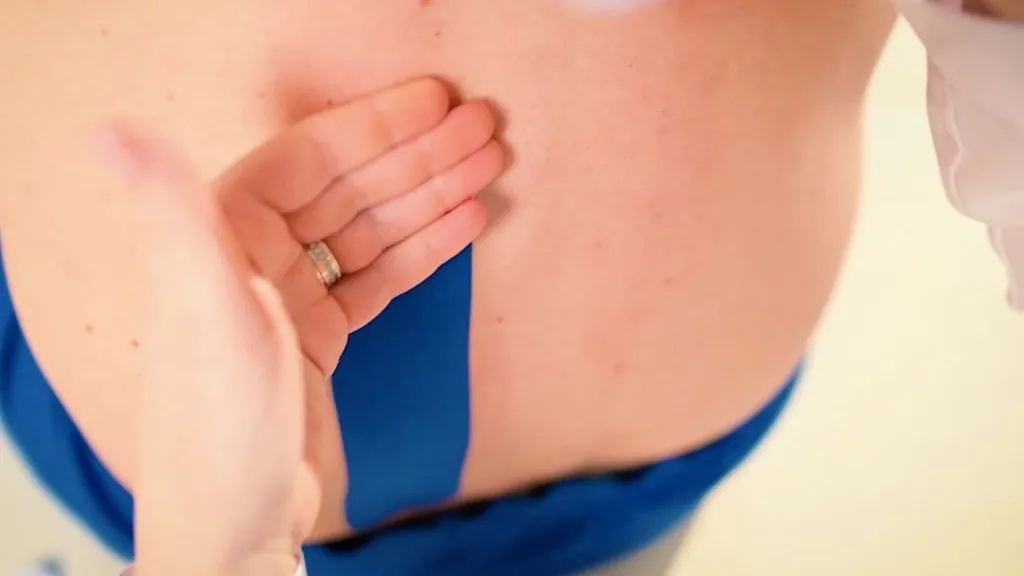
| Kinesiology tape | an elastic tape that can stay on for a few days | yes | yes | study results are mixed; a supplement that supports movement |
| Cupping | vacuum cups lift the skin | no | yes | the US NCCIH says the evidence is limited and mostly low quality |
| Flossing | an elastic band wrapped tightly round a joint while you move it | with Rideg Szofi | yes | little research; may be used to make moving easier |
At Retek utca, flossing is offered by physiotherapist Rideg Szofi, who has completed a course in it. Ultrasound does not hurt; at most you feel mild warmth.
What do guidelines say about TENS and ultrasound?
Honestly: less than many people expect. The British NICE guideline on low back pain (NG59, 2016) specifically does not recommend TENS, therapeutic ultrasound or interferential therapy for low back pain. The same guideline does not recommend traction, belts and corsets, or acupuncture for low back pain either. It treats exercise-based care as the foundation and recommends manual therapy only as part of it. The NHS TENS page says plainly that TENS does not work for everyone.
That does not mean these devices can never help. For someone who arrives in strong pain, they can make it easier to start an exercise at all, and they can prepare the tissues for manual therapy and movement. That is why we use them as supplements: if a device does not help you, there is no reason to push it.
What should you know about cupping?
Cupping is available at the Pasarét clinic. The therapist places cups on the skin and uses a vacuum to lift the skin and the tissue beneath it. According to the NCCIH, part of the US National Institutes of Health, there is little research on cupping and most of it is of low quality, so no firm conclusion can be drawn about its effect.
The NCCIH also lists possible side effects: round marks or bruises that can stay visible for days, and occasionally skin irritation. If you have an important event coming up and do not want visible marks, tell the therapist.
What are tape and flossing for?
The therapist applies kinesiology tape along the direction of movement. It does not replace the work of the muscles; it gives a signal through the skin while you move. With flossing, an elastic band is wrapped tightly round a joint and you move the joint for a few minutes before it is removed. There is little good-quality research on either, so we do not promise an effect: the physiotherapist uses them when the assessment supports it.
Why can it only be booked with manual therapy?
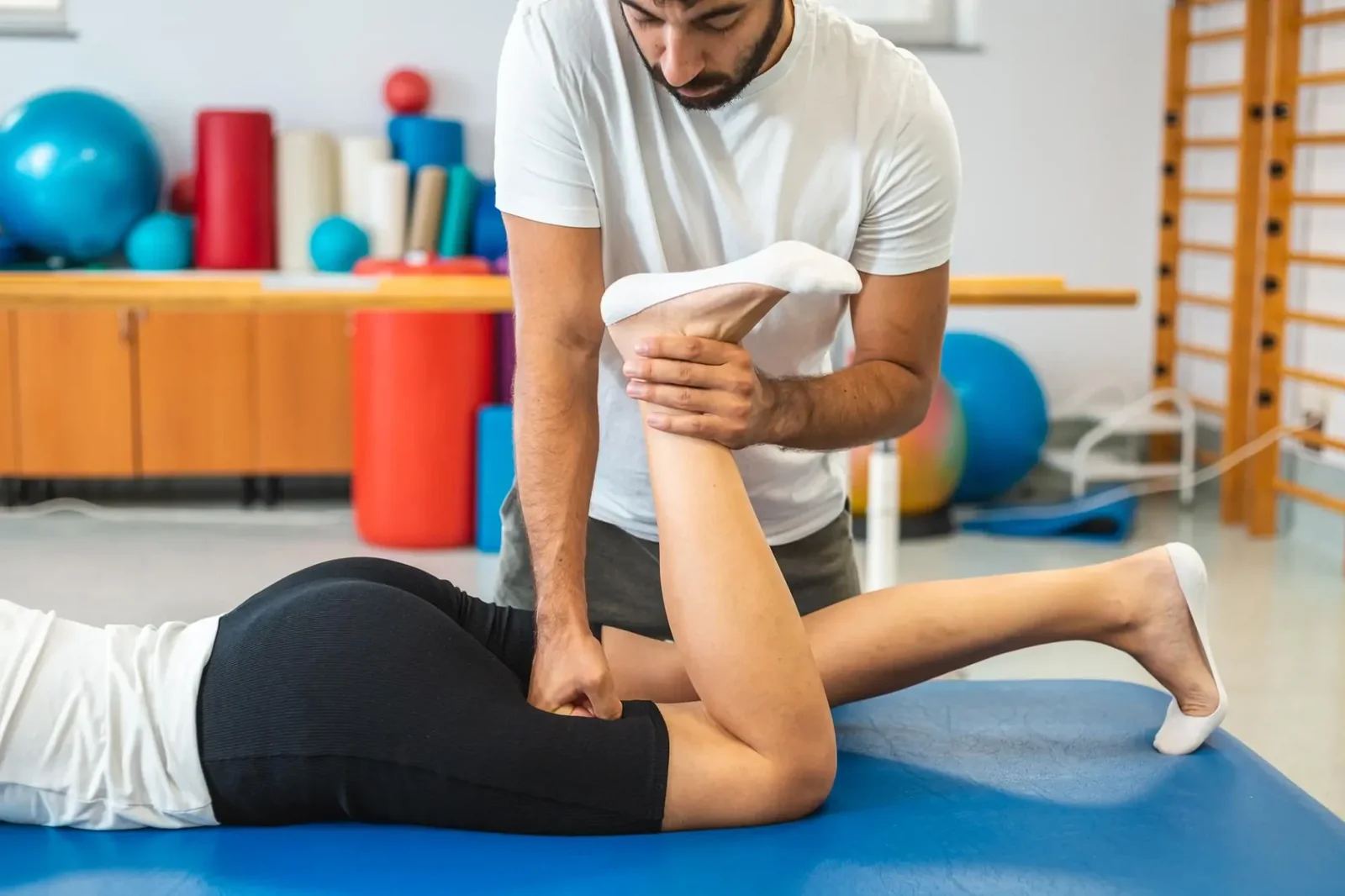
Because in MozgásKlinika’s approach physical therapy is part of a session, not a stand-alone treatment. On the booking page, choose the combined category: at Retek utca it is called Kombinált terápia and the service “Manuálterápiával kombinált fizioterápia” (the system uses this spelling); at Pasarét it is Kombinált terápiák and “Manuálterápiával kombinált fizikoterápia”. Part of the session is hands-on treatment, the other part device-based. The treatment types are compared in this article.
Who should not have it?
Always mention these before treatment
- a pacemaker or another implanted electrical device (TENS, ultrasound);
- epilepsy;
- pregnancy (according to the NHS, TENS only on the advice of a doctor or midwife, especially on the abdomen and lower back);
- broken, inflamed, infected or numb skin, or an open wound, in the area to be treated;
- known heart disease, cancer or a metal implant near the treated area;
- a bleeding disorder or blood-thinning medicine (cupping, flossing).
According to the NHS, TENS pads must not go on the front of the neck, the mouth or the eyes. If the skin starts to itch or turns red, treatment should stop.
That is why you always tell us about your health history and medicines at the assessment, and the physiotherapist decides on that basis.
Where does it fit in the treatment plan?
On the first level of the MozgásPiramis®, where the aim is to ease pain and the current problem. As you move up, the emphasis shifts more and more to active exercise, and device-based treatment is reduced or dropped. The article on the MozgásPiramis® explains the levels. It can also help with pain relief after surgery; see the article on rehabilitation after surgery. For low back pain, this article continues the topic.
How do you book it?
For your first visit, book the first consultation at either clinic: after the assessment the physiotherapist decides whether physical therapy is useful for you at all. If it is, you can book the combined service for later sessions. If you are interested in cupping, choose the Pasarét clinic (Házmán utca 4).