Tennis elbow is pain on the outer elbow from overloaded forearm tendons. The NHS says it usually goes with rest but can last over a year. See a GP if it still hurts after two weeks of self-care; physiotherapy may help if it is no better after six weeks.
What are tennis elbow and golfer’s elbow?
MedlinePlus, from the US National Library of Medicine, describes tennis elbow as soreness or pain on the outer side of the upper arm near the elbow. Some forearm muscles attach to the bone there; using them over and over can cause small tears in the tendon, which over time cannot heal properly, leading to pain where it attaches.
Golfer’s elbow (medial epicondylitis) is the inner-side counterpart, listed as a separate item on the MedlinePlus elbow page. The same page notes that elbow pain can have other causes too, such as sprains, fractures, dislocations, bursitis or arthritis. That is why an examination is needed to find the cause.
What are the symptoms?
According to the NHS, the main symptom is pain on the outside of the elbow, ranging from mild discomfort to constant pain that can affect sleep. It is often worse when:
- lifting or bending the arm;
- gripping objects;
- moving the wrist.
Other signs include tenderness or swelling in the elbow, pain in the forearm, and difficulty fully straightening the arm.
Why is it common with desk work too?
Despite the name, it is not limited to tennis players. The NHS says any activity that involves gripping something while repeatedly twisting the wrist and forearm can cause it: computer work (typing, using a mouse), sewing, using a screwdriver, tennis or playing a musical instrument. Anyone can get it, but it is more common between the ages of 35 and 54.
MedlinePlus also lists painters, plumbers, construction workers, cooks and butchers as more likely to develop it, and mentions repetitive typing and mouse use. In Hungary, Decree 50/1999 (XI. 3.) EüM on screen work requires continuous screen work to be broken by at least ten minutes of break every hour, which also gives the hand and forearm some variety. For desk and chair set-up, see the article on desk work.
What can you do at home?
As a first step, the NHS suggests avoiding or reducing the activities that make your symptoms worse. For pain relief, hot or cold packs and forearm straps, the NHS tennis elbow page gives the details; talk to a pharmacist or doctor about medicines.
We publish no exercise routine here: how much load the tendon can take, and when to increase it, is decided on the basis of the examination.
What does the physiotherapist check?
At the 60-minute assessment you talk through when the pain started, which movement brings it on, how much you type or play sport, and which tools you use. During the examination the physiotherapist checks:
- where the elbow is tender, and whether bending the wrist back against resistance hurts;
- grip strength and pain when gripping;
- movement of the shoulder, neck and wrist, as these can affect how the elbow is loaded;
- the movement you make at work or in your sport, if you can show it.
If your symptoms call for a medical work-up, for example after an accident or with numbness, the physiotherapist will tell you.
Which treatment may be suggested?
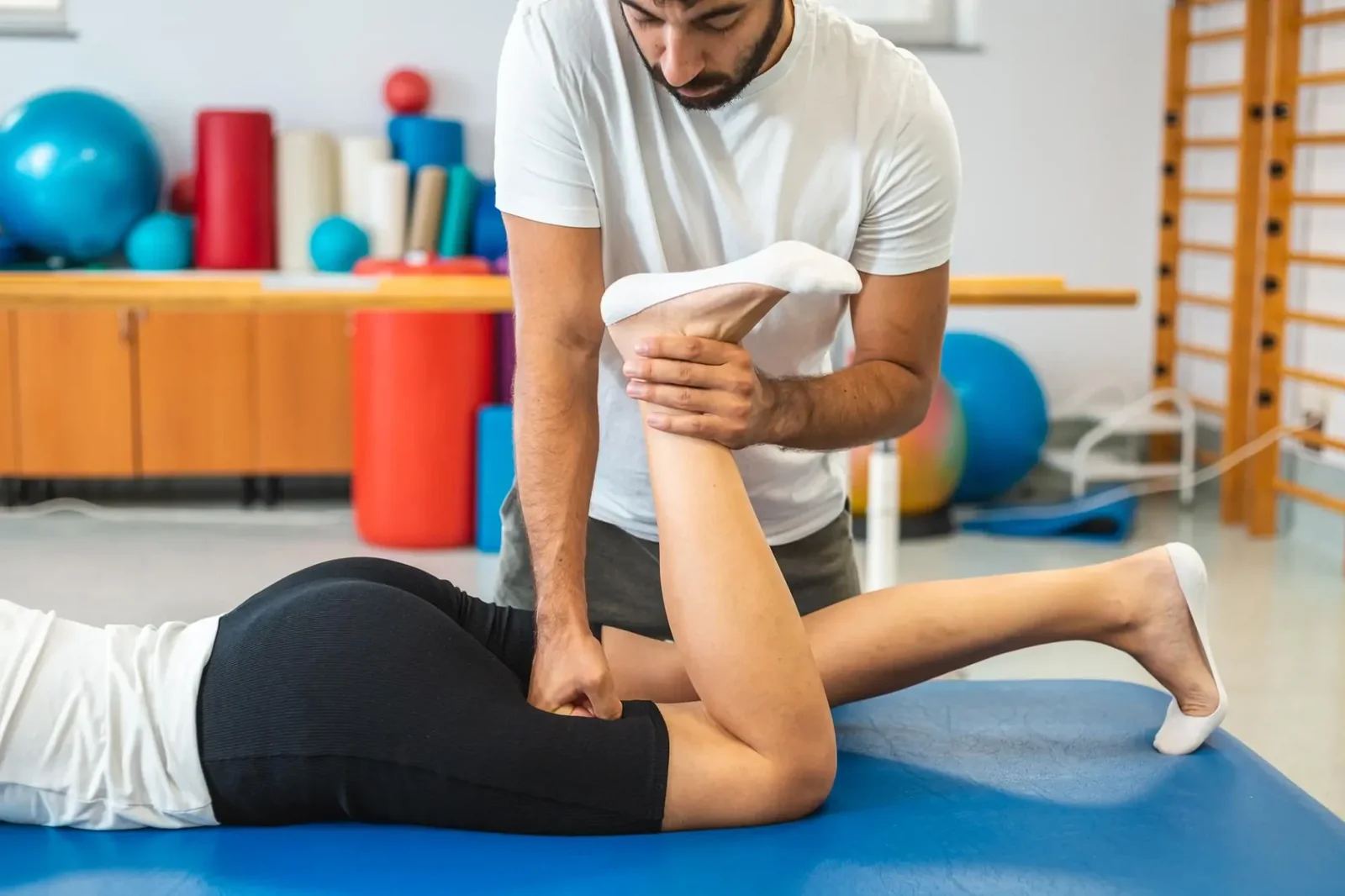
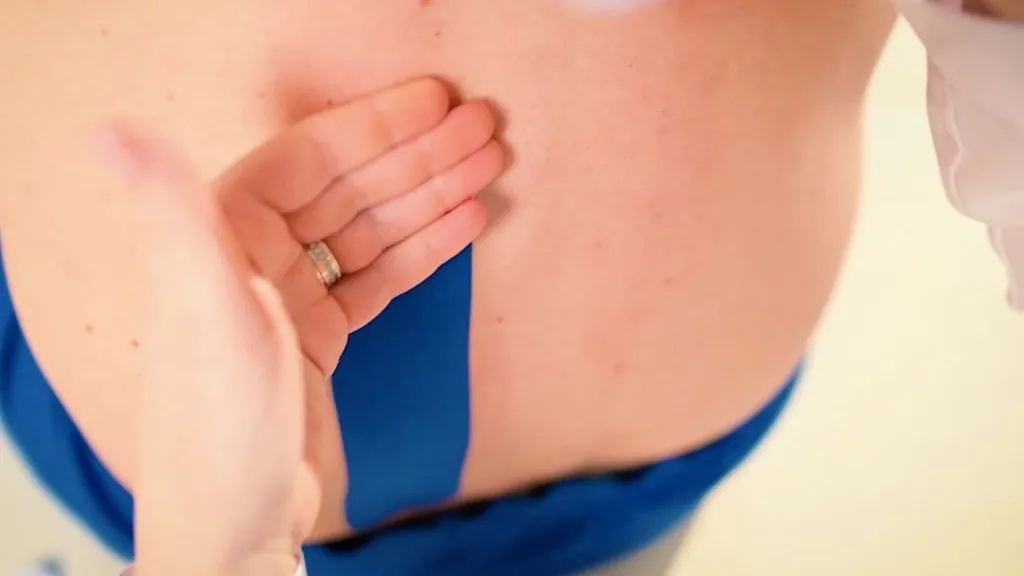
According to the NHS, physiotherapy for tennis elbow may include massage, stretching and strengthening exercises for the wrist and forearm, and ultrasound therapy. At MozgásKlinika, after the examination the options include physical therapy such as kinesiology tape, combined therapy and physiotherapy, with the plan following the MozgásPiramis®. The number of sessions cannot be said in advance.
The NHS also notes that surgery may be an option if tennis elbow persists after 6 to 12 months; a doctor decides on that. If the pain reaches up to the shoulder, the article on shoulder pain may help, and for athletes the article on returning to sport.
When should you not wait for physiotherapy?
With elbow pain, see a doctor first if
- the pain started after a fall, blow or accident, or the elbow looks deformed or will not move: get urgent medical care, and in an emergency call 112;
- the elbow suddenly becomes swollen, red and hot, or you have a fever;
- you have numbness, tingling or weakness in the hand or fingers;
- the pain has not improved after two weeks of self-care (NHS).
What is the next step?
If your elbow has hurt for weeks, or keeps flaring up because of your work or sport, book an assessment at the Retek utca or Pasarét clinic. Treatments and prices are on the tennis elbow and golfer’s elbow page.